
The Heart Chakra
The Key to Self-Love & Love for Others

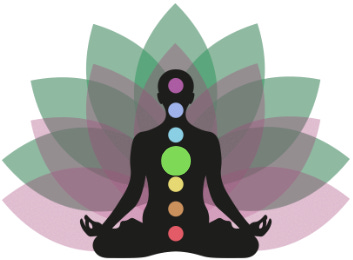
The Heart Chakra is the 4th chakra in the traditional system of the seven chakras. The human body has seven main chakras, which are considered the energy centers of the body.
These chakras are sometimes referred to as the “seven seals” in biblical texts. Each chakra represents a spinning wheel of energy, formed at points where energy lines intersect within the subtle, ethereal body. These energetic centers play a crucial role in influencing our physical health and emotional well-being.

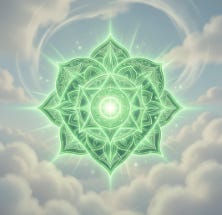
The Heart Chakra is associated with the thymus gland and is located at the center of the chest. Its element is air, which governs breathing, expansion, and lightness. The color green symbolizes the heart chakra, representing healing and love, while its ruling planet is Venus. This chakra governs our capacity for self-love, self-acceptance, empathy, and love for others. It also deeply influences our relationships and acts as a bridge between the lower physical chakras (root, sacral, and solar plexus) and the upper spiritual chakras (throat, third eye, and crown).
When the heart chakra is balanced, we experience forgiveness, openness, compassion, and maintain healthy boundaries. However, when it is blocked or deficient, feelings of coldness, isolation, depression, fear of intimacy, and inability to trust can arise. An overactive heart chakra may manifest as codependency, over-giving, jealousy, poor boundaries, and lack of self-discipline. These imbalances can present as physical issues, such as heart and lung conditions, asthma, and allergies.
A balanced heart chakra fosters unconditional love and inner peace. It supports emotional resilience and physical health, especially in the heart and lungs. When our heart chakra is open and harmonious, we are more compassionate, forgiving, and able to maintain healthy relationships and boundaries.

To bring the heart chakra into balance, several practices can be helpful:
Meditation: Focus on the color green, practice loving-kindness meditations, and use the meditation mantra “Yam” for heart healing vibrations.
Breathing Exercises: Incorporate deep breathing into your daily routine.
Practice Forgiveness: Release past hurts and recite the Serenity Prayer daily.
Practice Gratitude: Express appreciation to all living beings.
Prayer: Ask God/your Higher Power to help heal your heart.
Lifestyle: Spend time in nature to refresh and open your heart.
Practice Self-Love: Say “I love you” to yourself daily and use heart-healing crystals like rose quartz or emerald.
Key 4th Chakra Foods: Green foods resonate with the heart chakra’s vibration. Include leafy greens and vegetables such as spinach, kale, broccoli, collard greens, chard, celery, zucchini, cucumber, Brussels sprouts, and bok choy. Green fruits like kiwis, green apples, avocados, limes, green grapes, and pears are also beneficial.
Key Herbs for the Heart Chakra:
Rose (petals/buds): The ultimate heart tonic, fostering love and emotional openness.
Hawthorn berry: Supports heart health, both physically and emotionally.
Lavender & Jasmine: Calming, heart-opening scents that promote peace and reduce stress.
Lemon balm: Soothes emotional turbulence and uplifts the spirit.
Hibiscus: Supports blood pressure and heart health.
Marjoram & Thyme: Aid in emotional healing and easing tension.
Calendula & Mullein: Support the immune system and respiratory health.
Damiana leaf: Lifts spirits and opens the heart.
Rosemary: Promotes circulation and helps overcome heavy emotions.
Chamomile: Calms the nervous system and assists with emotional release.
Moringa & Neem: Used for balancing and purifying.
Clove & Vanilla: Aromatic additions that soothe the heart.
Others: Raw cacao, green tea, basil, cilantro, parsley, and mint are also helpful.
How to Use: Enjoy teas or infusions made from rose petals, hawthorn, or hibiscus for a soothing effect. Aromatherapy, such as using rose oil or dried petals in a bath, can also help open and heal the heart chakra.
In our modern world, imbalances in the heart chakra are common. We see this reflected in our work, families, relationships, and across social media. Heart and lung problems linked to heart chakra imbalances are prevalent, sometimes exacerbated by environmental pollutants. It’s important to recognize these imbalances within ourselves and take conscious steps to restore harmony. Helping friends and loved ones identify and address their own heart chakra issues can also be an act of compassion.
As we heal our heart chakra, we enhance our capacity for self-love and our ability to love others, contributing to a more loving and empathetic world.

Peace and blessings!
April Gary