
The Sacral Chakra
Understanding, Balancing, and Transforming Through the Second Chakra

The Sacral Chakra, also known as Svadhisthana (Sanskrit for "the dwelling place of the self"), is the second primary energy center of the body.

The chakras energy centers in the body are arranged upward from the Root to the Crown, and are sometimes referred to as the “seven seals”, as mentioned in biblical texts. Each chakra is a spinning wheel of energy formed where energy lines intersect in the subtle body, influencing both physical health and emotional well-being.

The Sacral Chakra serves as the hub for creativity, emotional intelligence, sexual energy and pleasure:
Creativity and Expression: It is the source of all creative power, fueling artistic expression, innovative thinking, and problem-solving.
Emotions and Flow: Associated with the water element, it manages the fluidity of your feelings, allowing you to process and express emotions without being overwhelmed by them.
Pleasure and Sensuality: It is the “joy center” of the body, governing your ability to experience pleasure, intimacy, and a zest for life through the senses.
Relationships: This chakra influences how you connect with others, helping you establish healthy emotional bonds and set appropriate boundaries.
Adaptability: It helps you “go with the flow,” allowing for flexibility during life transitions and an openness to new experiences.
Physical and Symbolic Characteristics
Location: Found in the lower abdomen, roughly four finger-breadths (two inches) below the navel, near the pubic bone.
Color: Represented by the color orange, symbolizing warmth, vitality, and rising consciousness.
Physical Associations: Linked to the reproductive system (ovaries/testes), kidneys, bladder, lower back, and hips.
Symbol: A six-petalled lotus flower containing a white crescent moon, reflecting its connection to lunar cycles and the tides of human emotion.
Signs of Imbalance vs. Balanced Sacral Chakra:
When this energy center is not functioning properly, it can manifest in two ways:
Underactive (Blocked): May lead to emotional numbness, creative drought, fear of intimacy, or a sense of being “stuck”.
Overactive: Can result in emotional volatility, addictive behaviors (such as overindulgence in sensory pleasures), and codependency.
Balanced: Feelings of pleasure, abundance, and creativity are high. People with balanced sacral chakras tend to be emotionally stable and expressive.
Usage Examples (How to Activate It):
Creative Outlets: Engaging in art, dance, or writing can open the sacral chakra.
Water Activities: Because it is associated with the element of water, activities like swimming or taking a bath can help.
Color Therapy: Incorporating the color orange—such as eating orange foods or wearing it—supports this chakra.
Yoga Poses: Poses that focus on the hips and pelvis

Beneficial Foods For the Sacral Chakra
To support the sacral chakra, practitioners recommend a diet rich in orange-colored foods, hydrating liquids, and healthy fats. These choices align with the chakra's associated color (orange) and its governing element (water). They include:
Vibrant Orange Produce: These foods are visually and energetically aligned with the sacral chakra.
Fruits: Oranges, mandarins, mangoes, papayas, peaches, apricots, and cantaloupe.
Vegetables: Carrots, sweet potatoes, pumpkin, butternut squash, and orange bell peppers.
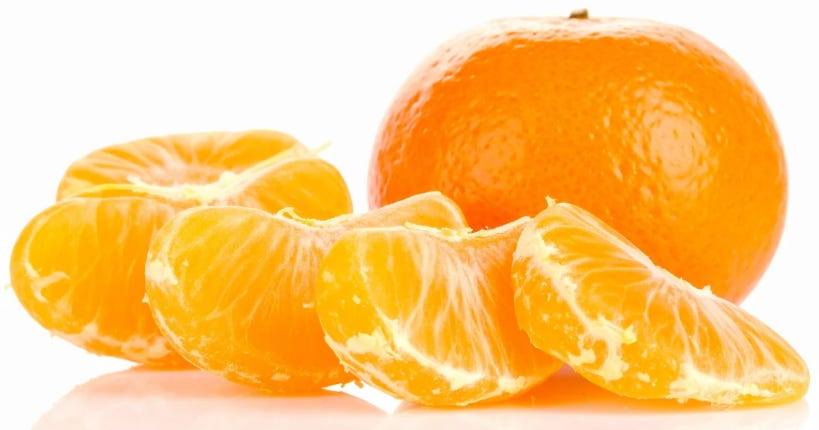
Hydrating Liquids: Since water is the element of this chakra, staying hydrated is essential for its “flow”.
Pure filtered water and coconut water.
Herbal teas like calendula, hibiscus, and chamomile.
Fresh, juicy fruits like melons and strawberries.
Healthy Fats and Omega-3s: These support hormone balance and emotional stability, which are key sacral functions.
Seeds: Pumpkin, flax, sesame, and sunflower seeds.
Nuts: Walnuts, almonds, and cashews.
Fats/Proteins: Salmon, avocado, and coconut oil.
Warming Spices and Sweets: Spices that stimulate energy and natural sweeteners that represent pleasure.
Spices: Cinnamon, ginger, turmeric, vanilla, and fennel.
Sweets: Raw honey and dark chocolate.
Mindful Eating Tip
Because the sacral chakra is the center of pleasure and sensuality, practitioners often suggest eating these foods slowly and intentionally, savoring every flavor to fully engage the senses.
Herbs for the sacral chakra typically focus on enhancing creativity, supporting reproductive health, and promoting emotional fluidity. Because this chakra is linked to the water element and the color orange, many associated herbs have vibrant orange flowers or "warming" properties.
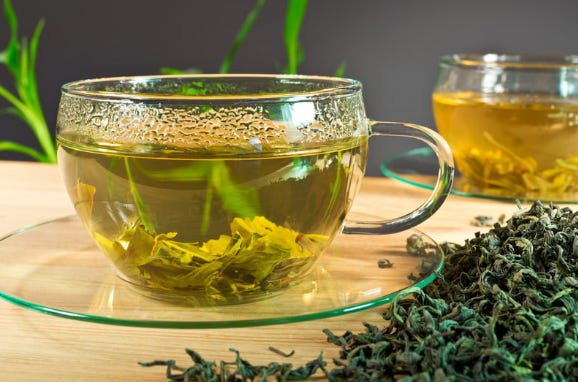
Herbs for the Sacral Chakra
Damiana: Widely considered the most classic sacral herb, it acts as an aphrodisiac and nerve tonic. It increases circulation to the pelvic area and helps calm the nervous system to promote relaxation and emotional openness.
Calendula: Its bright orange flowers align with the chakra’s color. It is used to release emotional blockages, foster joy, and encourage a positive outlook.
Hibiscus: Strongly associated with passion and creativity, hibiscus tea, with it’s deep red-orange infusions, is often consumed to stimulate sensuality and “awaken” dormant creative energy.
Cinnamon: A warming spice that supports circulation in the reproductive system and uplifts energy to help one feel more “expressed”.
Gardenia: Known as the “happiness herb,” its soothing scent is used to ease emotional distress and foster self-love.
Warming & Supporting Spices
Many practitioners also recommend warming spices that increase circulation to the pelvic region:
Ginger: Brings warmth to the body and helps open a closed sacral chakra.
Cardamom & Clove: These aromatic spices are believed to have aphrodisiac qualities that aid sexual and reproductive energies.
Coriander: Its exotic flavor is thought to encourage optimism and confidence.
How to Use These Herbs
Herbal Teas: Enjoying a warm cup of Damiana, Calendula, or Hibiscus tea is a common ritual for balancing this energy center.
Aromatherapy: Use essential oils like Ylang Ylang, Sandalwood, Jasmine or Orange in a diffuser or diluted for massage to enhance sensuality and calm, help open the senses and promote emotional stability.
Herbal Baths: Adding dried herbs like rose petals or calendula to a warm bath supports the sacral chakra’s water element and promotes deep relaxation.
Culinary Rituals: Incorporate warming spices like ginger, clove, and cardamom into your meals to bring heat and vitality to the lower abdomen.

Many practitioners and modern wellness experts believe that sacral chakra imbalances are extremely common. Modern lifestyle factors—such as chronic stress, the prioritization of productivity over pleasure, and widespread emotional or sexual trauma—are frequently cited as primary contributors to these blockages.
According to practitioners, several aspects of contemporary life specifically target the energy of the sacral chakra:
Productivity Over Pleasure: In many Western cultures, constant “doing” and achieving are prioritized, while spontaneous pleasure or “softness” is often viewed as unproductive or suspect.
Chronic Stress: High daily stress levels can trigger a constant “fight/flight/freeze” response, which is said to drain energy from the lower chakras, including the sacral.
Digital Disconnection: Despite being more “connected” via technology, many people report feeling a sense of emotional isolation or detachment, which are key symptoms of an underactive sacral chakra.
Unprocessed Trauma: Practitioners emphasize that the “pelvic bowl” holds memories of past emotional or sexual trauma. Without intentional healing, these experiences can lead to long-term blockages.
How Imbalance Often Manifests Today
Because the sacral chakra governs creativity and emotional flow, modern imbalances often appear as:
Creative Burnout: Feeling “dry” or uninspired even when you have ideas, often due to over-functioning or strict scheduling.
Emotional Numbness or Overload: Swinging between feeling completely detached from emotions and feeling “drowned” by them.
Addictive Behaviors: Seeking substitute sources of “life force” or pleasure through overindulgence or compulsive behaviors as a way to cope with internal stagnation.
When individuals begin a holistic wellness plan and start to heal, they often undergo a "transformational change" that reshapes how they interact with themselves and the world. This journey typically shifts a person from a state of emotional survival to one of internal stability and peace.
Individual Transformation
As people heal, they often experience profound shifts in their personal behavior and internal state:
Response over Reaction: Healing helps individuals move from impulsive emotional reactions to thoughtful, calm responses.
Empowerment and Self-Trust: People transition from being “passive patients” to active participants in their health, gaining a sense of control and trust in their own intuition.
Emotional Fluidity: Individuals become better at identifying and expressing emotions clearly, leading to improved emotional regulation and resilience.
Increased Vitality: Holistic practices often lead to improved sleep quality, optimized hormonal balance, and higher energy levels.
Boundary Setting: Healed individuals often stop over-sharing or seeking external validation, choosing instead to protect their energy and align with their own values.
Collective and Social Impact
Personal healing is rarely isolated; it often ripples out to affect the broader community and future generations:
Disrupting Generational Patterns: Individual healing can “change the stories” passed down in a lineage, modeling balance and self-worth rather than normalized burnout or toxic dynamics.
Stronger Communities: Healing allows people to show up for others with more clarity and patience, fostering supportive relationships and a sense of belonging.
Reduced Stigma: As more people normalize holistic healing, it can shift collective consciousness, making mental wellness and rest a standard rather than a luxury.
Peacebuilding: In conflict-affected regions, “healing-centered” approaches help build sustainable peace by connecting individual struggles to collective social health.
The “Quiet” Phase of Healing
A notable phenomenon in this process is that the deepest growth often happens quietly and privately. People may temporarily withdraw from social circles as their “identity updates,” and they may experience a necessary grief as they outgrow old habits or misaligned relationships.
Conclusion: The Importance of Self-Balance
Balancing the Sacral Chakra is not only vital for individual wellness but also contributes to the healing and transformation of families, communities, and society as a whole. By nurturing this vital energy center, we empower ourselves and others to live more joyful, creative, and connected lives.

Peace and blessings!
April Gary